
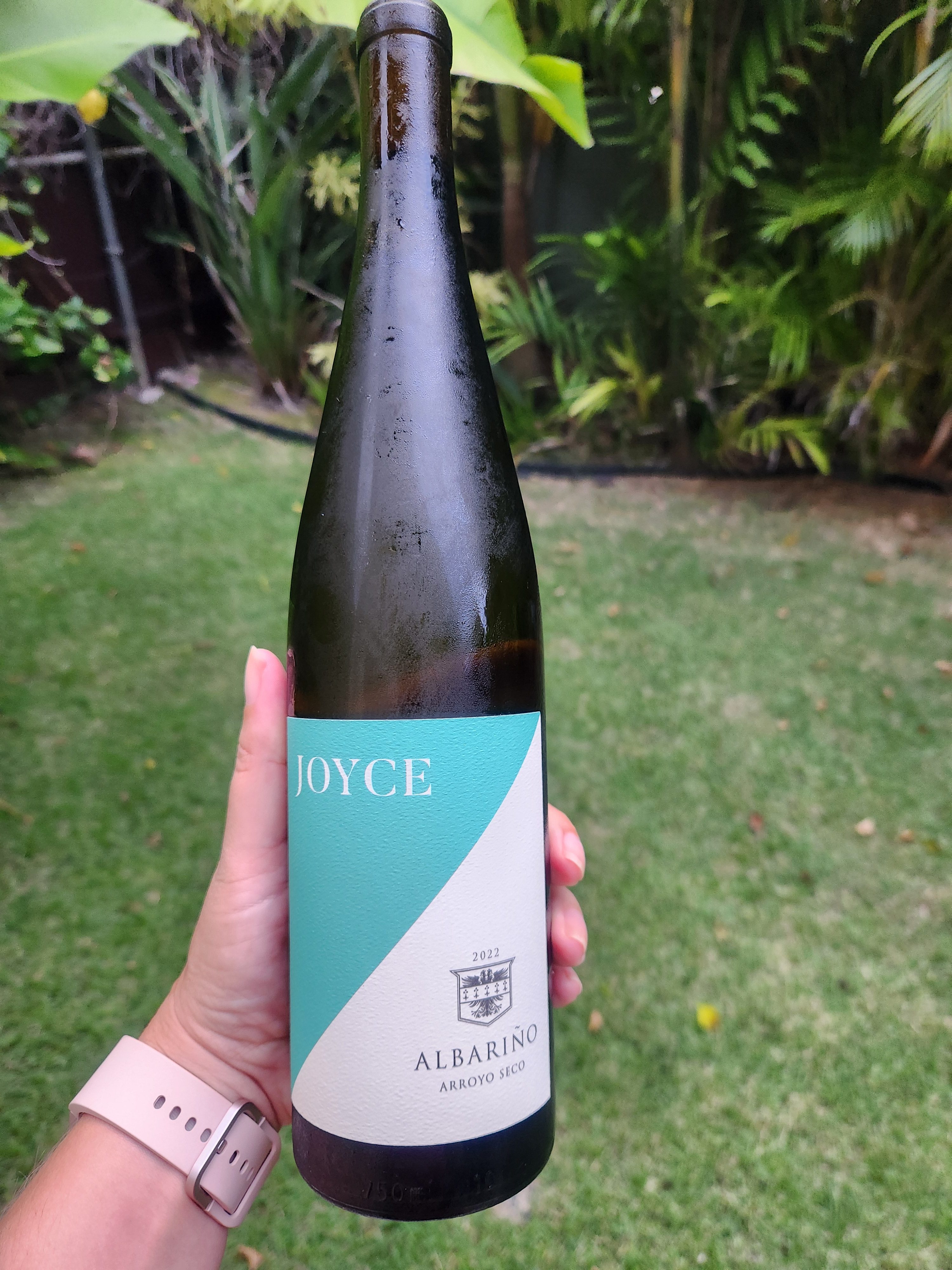
Albariño (or Alvarinho in Portugal) is a white wine grape variety. It originates from the Rías Baixas region in Galicia, Spain. Reminding me of Vinho Verdes that I’ve had in Portugal, I was drawn to this wine. While doing research on it I found out that when made from Alvarinho grapes in the Vinho Verde region. The wine is called Vinho Alvarinho, and is considered the “premium” variety of Vinho Verde. Just another reason to love Portugal so much I suppose.

History of Albariño
While most famously associated with Spain, Albariño is also grown in Portugal (where it’s known as Alvarinho). It has found a niche in other wine regions, including the United States, particularly in Oregon and California. This just means that I need to get back to Oregon to do some wine tasting! Well….and maybe see some family.
Origins and Early Cultivation:
The exact origins of Albariño are somewhat unclear. But it is believed to have been cultivated in the Rías Baixas region of Galicia, Spain for centuries. The grape is thought to have arrived in Spain through the influence of Cistercian monks. Or possibly other travelers from France or the Rhine region, although there is no definitive evidence supporting these theories.
In Portugal, Alvarinho has been grown in the Vinho Verde region, where it shares similar traits with its Spanish counterpart. The Portuguese have a long history of cultivating this variety. Although it was only relatively recently that Alvarinho gained significant recognition.
Modern Recognition and Expansion
During the later part of the 20th century, Albariño began to gain in popularity. This was because the Rías Baixas DO was officially recognized in 1988. This change helped boost the grape’s reputation and encouraged the production of high quality wines. The region’s cool, coastal climate and unique terroir contributed to the distinctive character of Albariño wines.
Alvarinho also started to receive more international attention in the late 20th century. Especially as Portuguese wines began to gain global recognition. The grape’s quality helped elevate the status of Vinho Verde wines, where Alvarinho plays a significant role.
Albariño/Alvarinho in the 21st Century
Albariño/Alvarinho has experienced a surge in popularity in the 21st century. It’s now grown in various other wine regions around the world. This includes the the United States (particularly in California and Oregon), Argentina, and Australia. This expansion has helped showcase the grape’s adaptability and appeal beyond its traditional regions.
Flavor Profile
Albariño wines typically have bright acidity and are known for their fresh and fruity flavors. You’ll often find notes of citrus (like lemon and lime), stone fruits (such as peach and apricot), and floral aromas. Some may also have a hint of minerality or salinity, especially those from coastal regions.
Food Pairings and Serving
Albariño pairs well with a variety of foods, especially seafood and shellfish. It’s also a great match for dishes with a bit of spice. These could include Asian cuisine, or light salads and cheeses.
I’m a huge cheese fan so I’d probably think most about how to pair it with Albariño. When pairing cheese with Albariño, think about balancing the wine’s acidity and fruitiness with the cheese’s flavors and textures. Fresh, creamy, and slightly tangy cheeses often work best. Though feel free to experiment with different combinations to find what you enjoy most. Some examples might be feta, goat cheese, Manchego or even Havarti.

Serve Albariño chilled, ideally around 45-50°F (7-10°C), to fully enhance its refreshing qualities.
It’s a versatile and enjoyable wine, often favored for its ability to be both approachable and complex.





Leave a Reply